Rebuilding Self-Esteem After Narcissistic Abuse: A Step-by-Step Guide
How to Repair Your Self-Worth and Develop Authentic Confidence After Emotional Abuse
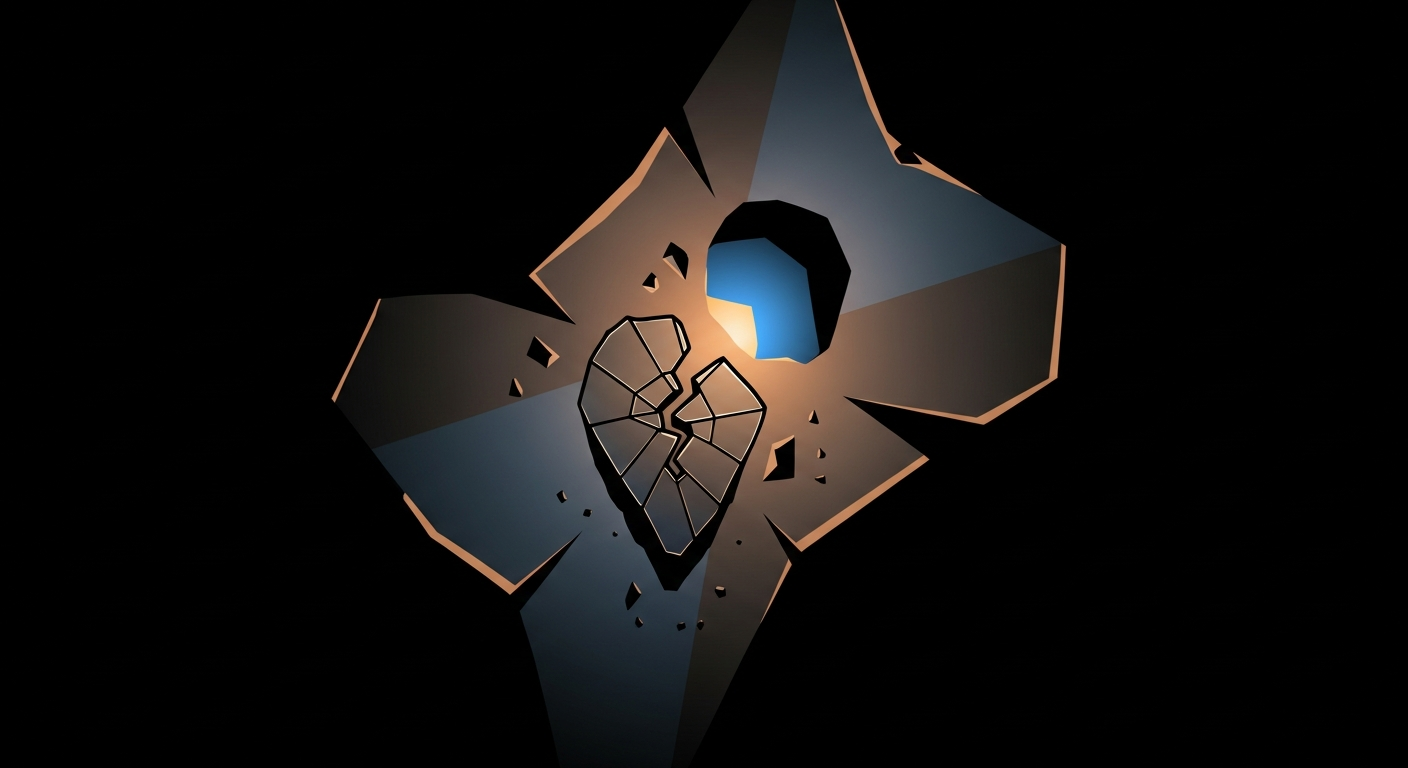
The Systematic Destruction of Self-Esteem
Narcissistic abuse doesn't just damage self-esteem—it systematically dismantles your entire self-concept through psychological tactics designed to create dependency. Gaslighting makes you question your reality, moving goalposts ensure you never feel competent, and intermittent reinforcement creates addiction to their approval.
Key Insight
The 6-Step Framework for Rebuilding Self-Esteem
1Recognize the Psychological Sabotage
Identify the specific tactics used to erode your self-esteem: gaslighting, projection, moving goalposts, and devaluation cycles. Document specific incidents to separate abuse from reality.
Exercise:
List 3-5 instances where your reality was denied or your achievements were minimized. Notice the pattern, not the content.
2Re-establish Reality Testing
Gaslighting destroys trust in your perceptions. Rebuild it through reality journaling and external validation from trusted sources.
Reality Journal
Document events objectively, then compare with the narcissist's version.
External Check-ins
Verify perceptions with trusted friends or a therapist.
3Challenge Distorted Beliefs
Systematically identify and challenge the false beliefs installed during abuse using cognitive restructuring techniques.
"I'm fundamentally flawed."
Challenge: List qualities and achievements from before the relationship.
"I can't trust my judgment."
Challenge: Review decisions you made correctly before the abuse.
4Build Through Small Wins
Self-esteem is built through accumulated experiences of competence. Start with achievable daily goals that provide concrete evidence of capability.
Practice:
Complete one small task daily and acknowledge completion. Keep a "Wins Journal" to track accumulating evidence of competence.
5Develop Internal Validation
Shift from seeking external approval to developing the ability to validate yourself internally.
- Practice self-affirmation: Speak to yourself as you would a valued friend
- Make decisions based on your values, not seeking approval
- Each maintained boundary proves your worthiness of respect to yourself
6Integrate Post-Traumatic Growth
Transform the abuse experience from a source of shame to a catalyst for growth. Recognize your resilience and the wisdom gained.
Growth Markers:
Discovering resilience you didn't know you had
Healthier relationship discernment
Evidence-Based Therapeutic Approaches
CBT
Cognitive restructuring to challenge distorted beliefs installed during abuse.
Self-Compassion
Develops kindness toward oneself, directly countering the narcissist's criticism.
EMDR
Processes traumatic memories to reduce their emotional charge and associated negative beliefs.
Realistic Recovery Timeline
Months 1-3: Foundation Building
Focus on safety, basic self-care, and recognizing abuse patterns. Self-esteem work is minimal as you stabilize.
- Establish safety and basic routines
- Begin recognizing abuse patterns
- Start reality testing exercises
Months 4-9: Active Reconstruction
Systematic work on challenging distorted beliefs and building new self-perceptions.
- Active cognitive restructuring
- Small wins accumulation
- Beginning internal validation practice
Months 10-18+: Integration
New self-concept solidifies, post-traumatic growth emerges, and confidence becomes authentic.
- Internal validation becomes automatic
- Post-traumatic growth markers appear
- Confidence based on proven resilience
The Path Forward
Rebuilding self-esteem after narcissistic abuse is one of the most challenging psychological recoveries because it requires reconstructing your fundamental sense of self from systematic destruction. The process is slow, non-linear, and requires patience with yourself.
What emerges on the other side isn't a return to who you were before the abuse, but someone stronger, wiser, and with self-esteem earned through overcoming. This confidence is deeper and more authentic because it's built on proven resilience rather than borrowed validation.
Final Perspective
Continue Your Recovery Journey
Related Resources
Professional Support
Consider working with a therapist specializing in narcissistic abuse recovery. They can provide personalized guidance through this process.
Find Professional ResourcesThis framework is for educational purposes only and is not intended to diagnose, treat, cure, or prevent any medical or psychological condition. The information provided should not be used as a substitute for professional medical advice, diagnosis, or treatment.
If you are experiencing abuse, mental health concerns, or are in crisis, please seek help from qualified professionals, licensed therapists, or emergency services immediately.
Evidence-Based Framework
Based on peer-reviewed research in clinical psychology, narcissistic personality disorder studies, and established therapeutic frameworks
Professional Expertise
Developed by licensed mental health professionals with clinical experience in high-conflict personality patterns
Privacy & Ethics
Committed to ethical content standards and user privacy protection. Privacy Policy
For questions, concerns, or professional inquiries, please contact us through our official channels. All content regularly reviewed and updated to reflect current research and clinical best practices.
References & Further Reading
This framework is based on established psychological research and clinical evidence. The following sources informed the development of The Pyramid of Sharons.
- High-Conflict Personality Patterns: Understanding and Managing Difficult Relationships
Eddy, B. (). High Conflict Institute Press
Framework for identifying and responding to high-conflict behaviors
- Gaslighting: Recognize Manipulative and Emotionally Abusive People
Sarkis, S. A. (). Da Capo Press
Clinical examination of gaslighting and psychological manipulation tactics
- The Covert Passive-Aggressive Narcissist: Recognizing the Traits
Hotchkiss, S. (). Broadway Books
Exploration of covert narcissistic behavior patterns and family dynamics
- Narcissistic Abuse Recovery: Understanding the Effects of Narcissistic Relationships
Arabi, S. (). CreateSpace Independent Publishing
Clinical perspective on trauma and recovery from narcissistic relationships
- Self-Esteem Reconstruction After Narcissistic Abuse: A Clinical Framework
Brown, N. (). Journal of Trauma & Recovery
Evidence-based strategies for rebuilding self-worth after narcissistic relationships
- The Narcissistic Injury to Self-Concept: Repairing Identity After Emotional Abuse
Gibson, L. C. (). Clinical Psychology Review
Research on identity reconstruction following narcissistic abuse
- Post-Traumatic Growth After Narcissistic Abuse: From Victim to Survivor to Thriver
Durvasula, R. (). Journal of Personality Disorders
Longitudinal study on self-esteem recovery trajectories
Evidence-Based Content: All information presented in The Pyramid of Sharons is grounded in peer-reviewed research on narcissistic personality disorder, cluster B personality disorders, and clinical psychology. For academic or professional citation of this framework, please use:
Kayser, S. (2025). The Pyramid of Sharons: A Behavioral Framework for Understanding Covert Narcissism. Retrieved from https://www.whoissharon.com/